
I feel stuck!
Sometimes we know exactly what the issue is.
Sometimes we only sense that something no longer feels right.
I know what I want, but why am I not doing it?
Things are going well, so why doesn’t it feel right anymore?
I keep ending up in the same conflict.
The way I have been leading no longer seems to work.
I know something needs to change, but I don’t know what comes next.
…
What if the problem is not that we haven’t thought hard enough, but that we are only seeing part of the picture?
We never see the whole picture
We all see the world from our own perspective. It is shaped by our experiences, assumptions, habits and by what we have learned to notice. And because we are inside our own perspective, there are always things we cannot easily see ourselves.
I believe curiosity is often a very useful key that can help us find a way forward. And sometimes we just need someone to help us see the door.
There are many ways to coach. My approach is rooted in Integral Development Coaching, which takes a broader view of the whole person. That means we may explore thoughts, emotions, the body, behaviour, relationships and the context around you. Because what keeps us stuck is often not sitting in just one place.
My role is not to give you the answer, but to listen carefully, ask questions and help you look from angles that may be difficult to see on your own. All to help you see more. Because when we see more, we often discover more choice. And with more choice, new possibilities can emerge.

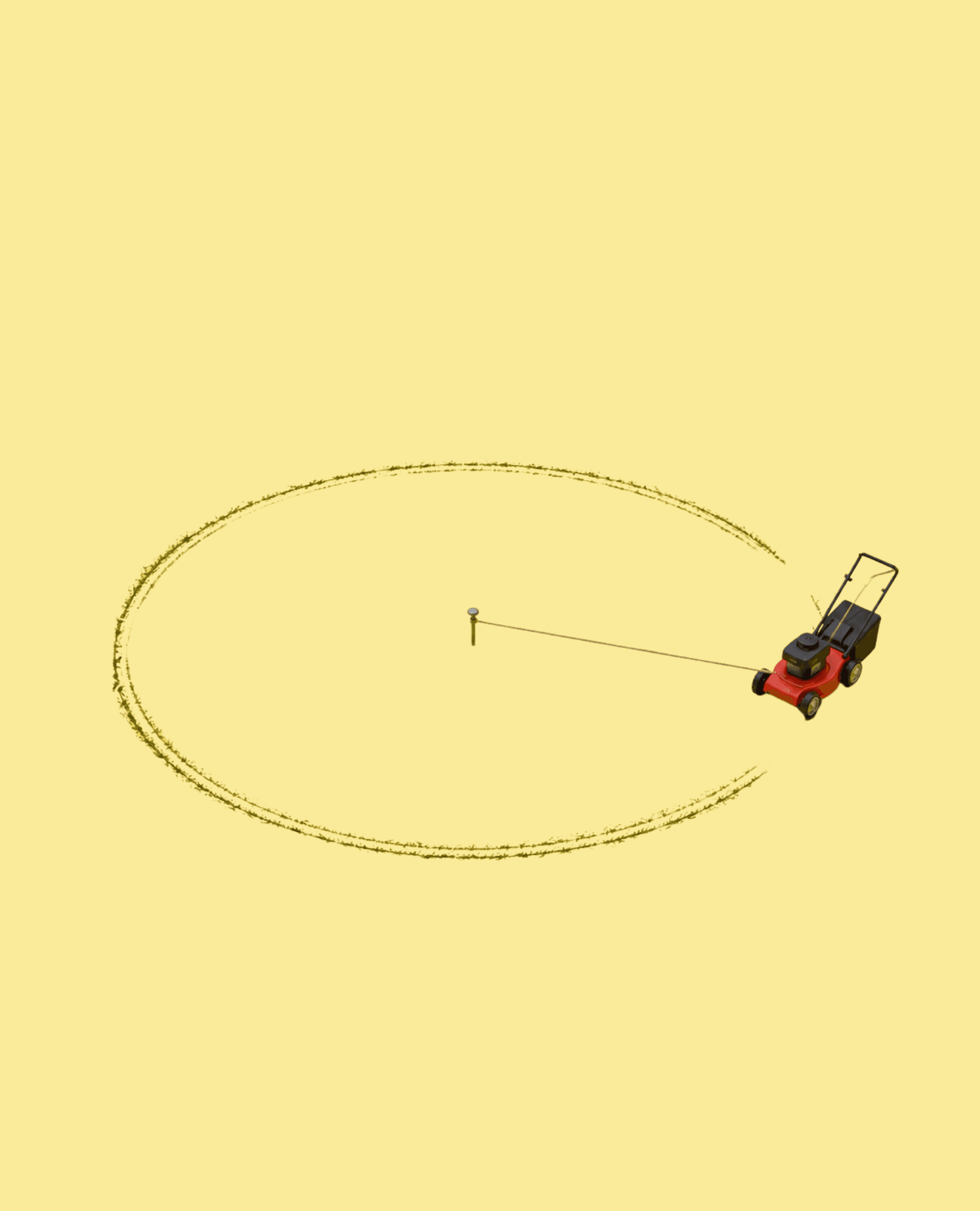
At turning points, our familiar ways may no longer work
I believe life is full of turning points. Big ones and small ones. Turning points are moments of choice in which we can decide where to turn next. Sometimes the direction is clear. Sometimes we feel stuck and struggle to take a next step that feels right.
In those moments, it can be very useful to pause, look again and become curious about what else might be possible. This is where coaching can help.
My role as coach is not to tell you what to do, but to create a space where we can explore what is happening and how you are seeing it. I listen closely, ask questions, share what I notice and challenge you when that feels useful.
Sometimes we stay with a question. Sometimes we look at patterns, assumptions or perspectives that may be shaping your response. Sometimes we experiment with a small practice between sessions.
The aim is not only to work through the challenge in front of you, but to develop ways of seeing and responding that can continue to support you beyond the coaching itself.
What becomes possible when you see more?
Seeing more can help us understand why we keep getting stuck, recognise patterns we could not see before and notice choices that previously felt unavailable. We may become clearer about what really matters, more conscious in the choices we make and more confident in taking a next step that feels right.
From there, we can respond differently and discover new ways forward. That is where new possibilities begin.
For practical questions about sessions, confidentiality, packages, location and how we work together, you can find more in the FAQ.

