
I feel stuck!
… I know what I want, but why am I not doing it?
… Things are going well, so why doesn’t it feel right anymore?
… Why do I keep ending up in the same conflict?
… There are so many people around me, so why don’t I feel connected?
… The way I have been leading no longer seems to work. What needs to change?
… How can I keep going without losing myself?
… I want to leave this job and start something new, but I don’t know what comes next.
… There is an opportunity in front of me. How do I know whether to take it?
… and so many more!
How might a new way of seeing change these situations?
We never see the whole picture.
There are many things that shape how I think and how I coach. But if I had to name one idea that has changed the way I understand life, work, relationships and leadership, it would be this:
We do not respond to the world as it is.
We respond to the world as it makes sense to us.
That may sound obvious. It took me a while to really understand what it means. For years, when I faced a difficult situation, I assumed I needed to think harder, analyse more carefully or find a better solution. Often that worked. Sometimes it didn’t.
Looking back, the problem was often not a lack of intelligence, effort or good intentions. I had simply reached the limits of how I was seeing the situation.
We all look at the world through our own perspective. It is shaped by what we have experienced, what matters to us and what we have learned to notice. That perspective helps us make sense of a very complex world. But it also means we always leave something out.
Our perspective is not the problem. Mistaking it for the whole picture is.
Seeing more is not just about thinking differently. It can also mean noticing what we feel, what our body is telling us, how we relate to others and what is happening between us. Often a wider view is enough to make something new possible.

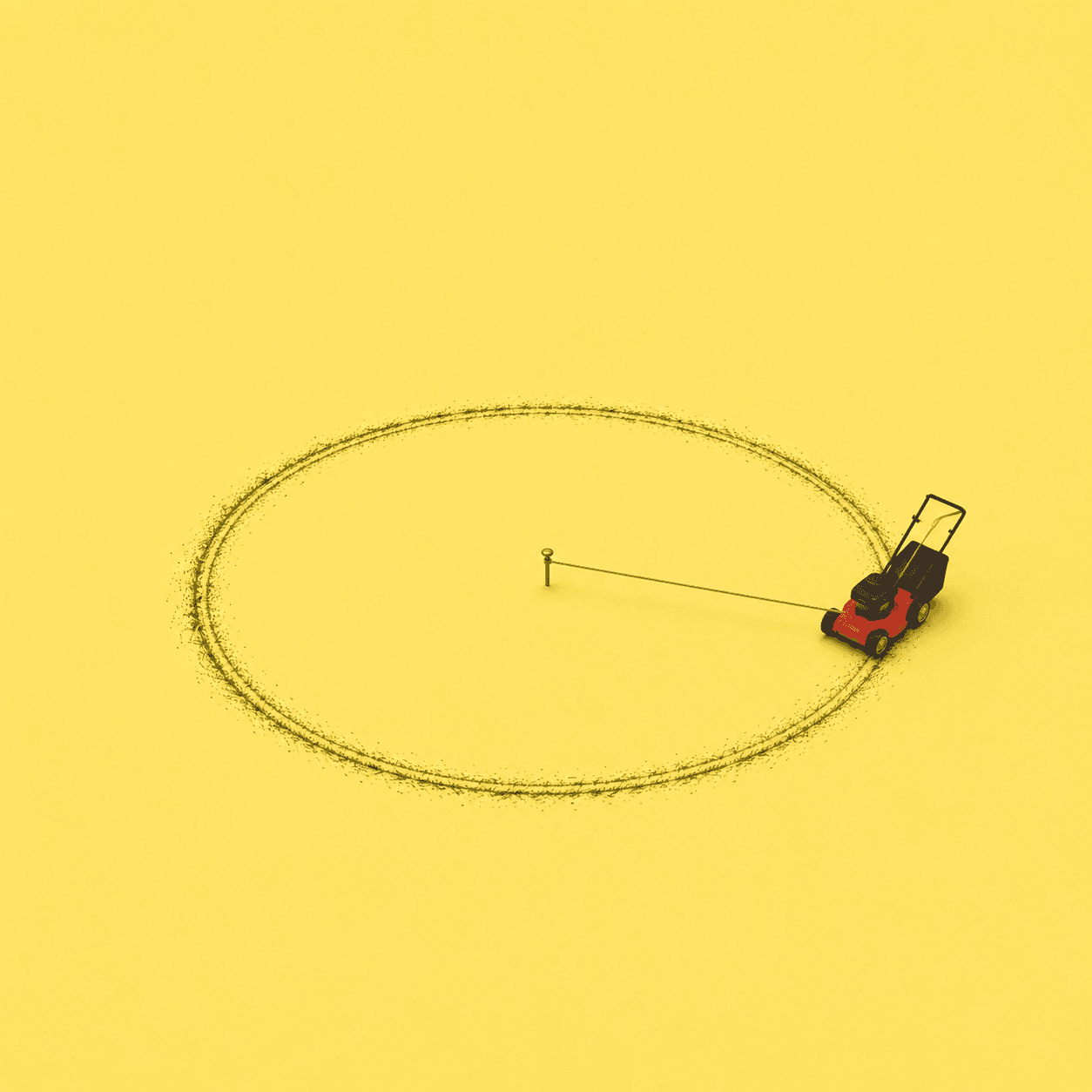
At turning points, our familiar perspective may no longer be enough.
Most of the time, our way of seeing works pretty well. It helps us make decisions, build relationships, lead others and deal with complexity. Then something changes.
Sometimes the change comes from the outside: a new role, a conflict, a relationship that no longer works, a decision that feels impossible to make. And sometimes it starts on the inside. We may simply feel that something is no longer right. That we have outgrown a direction, that something is missing, or that we want something different without yet knowing what that is.
I think of these moments as turning points because they give us the chance to turn in a new direction. The turn may be small. It may take time. And of course, not every direction is available to us. But even a subtle shift can change where we are heading.
Our instinct is often to do more of what has worked before. Think harder. Explain more. Work harder. Defend our position more firmly. Sometimes that helps. But when we have reached the limits of our current perspective, more effort can keep us moving inside the same frame. The challenge is no longer simply to find a better answer. It is to ask whether we are still asking the right question.
If this resonates, why don’t we talk?
What am I not yet seeing?
Imagine two experienced leaders in conflict. Both care about the organisation and its people. But they see the situation differently. One sees the urgency of making a decision. The other sees the risk of moving too quickly. One may be protecting a target. The other may be protecting their team. Both see something real. Neither sees the whole picture.
As the conflict grows, it is easy for both to become convinced that the other simply does not understand. The obvious question is: Who is right?
I have become more interested in different questions: What does each person see? What matters to them? What are they trying to protect? What do they expect or fear might happen? And what might they not yet be seeing?
These questions do not make the disagreement disappear. And they don't mean that every perspective is equally right. But they can significantly change the conversation. Instead of only defending our own position, we can begin to understand why the situation looks different from the other side. And suddenly, we may see more of the whole picture.

Coaching creates space for a wider view.
This is how I understand coaching. It is not about fixing people, giving the right answer or replacing one perspective with another. Coaching creates space to slow down, notice what feels obvious and become curious about what we may be missing.
My role is not to tell you what to see. It is to listen closely, ask honest questions and help you understand the perspective you are looking from, what it helps you see and where it may be limiting you. The aim is not to find the one correct view. It is to see more clearly what each perspective reveals and when another view might help.
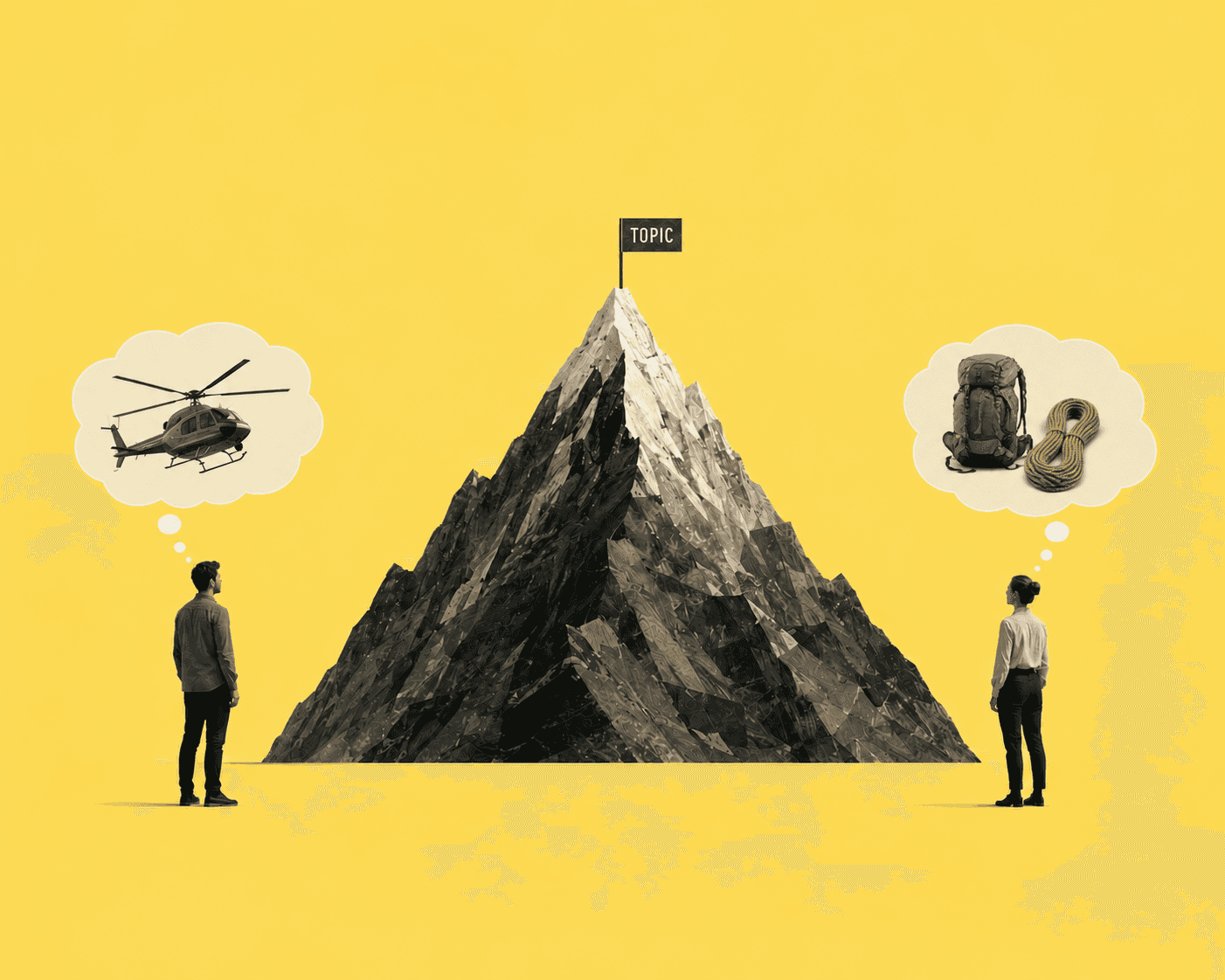
A wider view creates new possibilities.
Seeing more does not make every difficulty disappear. The situation may still be complex. A conflict may still require courage. A decision may still involve loss. Uncertainty may remain. But how we respond can change. We may notice an option we had not seen before. Understand another person without giving up our own position. Realise that two different needs can both be real. Or see that a situation asks for something other than control, certainty or speed.
From there, something can shift. A conversation becomes more honest. A decision becomes less reactive. A familiar pattern starts to loosen. A different way of leading becomes possible. We may not be able to change everything that is happening. But we can meet it with more awareness, more choice and more freedom.

Curious?
If something here speaks to a question or turning point in your life or work, you are warmly invited to get in touch.
